
Deriv Promo Code Nigeria 2026
Deriv Trading View: How to Use It for Smarter Trades
Nigerian traders searching for "deriv trading view" are usually trying to figure out whether Deriv's charting tools can help them read forex, synthetic indices, and other markets before placing a trade. This guide explains what the term actually means on Deriv's platform, how charting works in practice, and what to check before you Open Deriv Account →.
What Does "Deriv Trading View" Actually Mean
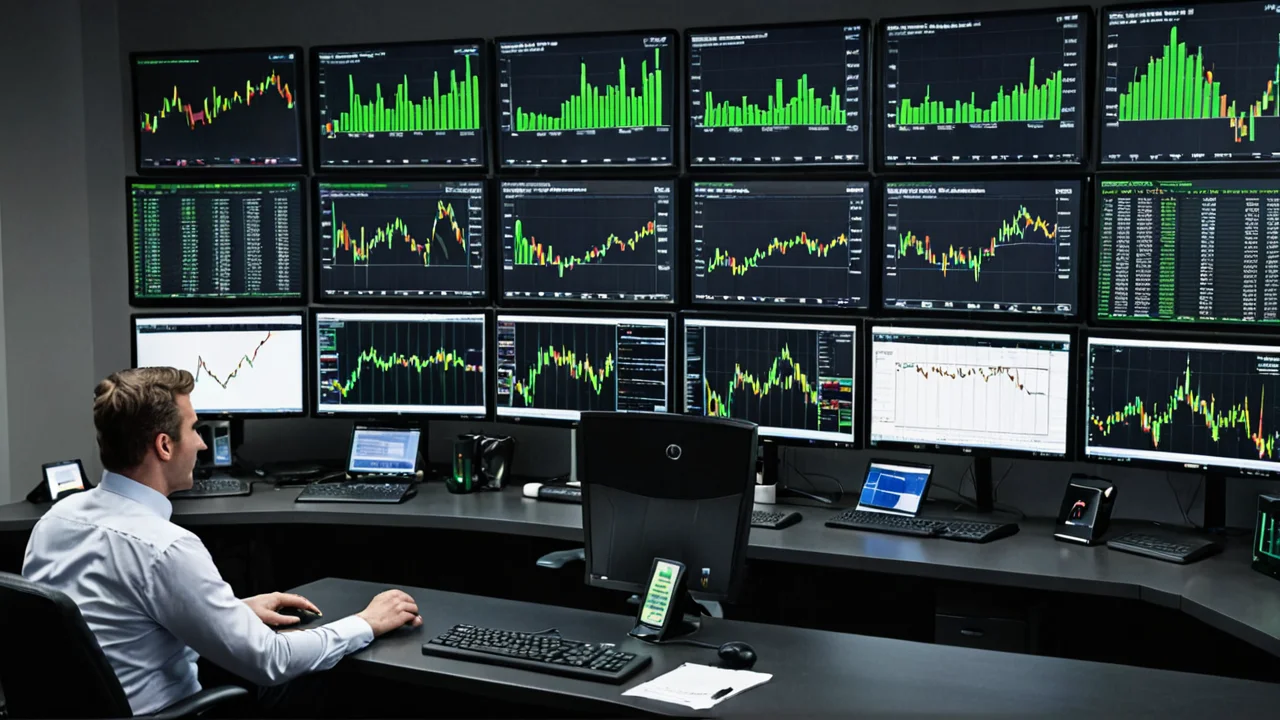
The phrase "Deriv Trading View" is often used loosely by Nigerian traders to describe the charting screen inside Deriv's own trading platforms, not a separate product. Deriv operates proprietary web and mobile platforms for binary options and multipliers, and these platforms come with built-in charting tools that traders use to track price movement, apply indicators, and plan entries.
It is worth being precise here because some traders confuse "Deriv Trading View" with the external, third-party TradingView charting service that many other brokers plug into. Deriv's core charting experience runs through its own proprietary platforms, which is where most Nigerian users actually do their analysis when trading binaries, multipliers, forex, or synthetic indices.
- Deriv's proprietary platforms handle chart display, indicators, and trade execution in one place
- Synthetic indices, a signature Deriv product, can be charted and traded 24/7, including weekends
- Demo accounts let you practice reading charts before risking real funds
Key Takeaway: When Nigerians say "Deriv Trading View," they usually mean the built-in charting tools on Deriv's own platform rather than a standalone TradingView integration.
Tradingview Deriv: Is There A Direct Connection
A common question is whether "tradingview deriv" refers to an official partnership between Deriv and TradingView, the widely known charting service used across the retail trading world. Based on verified information about Deriv's platform setup, Deriv's core binary options and multiplier products run on its own proprietary technology rather than a confirmed embedded TradingView widget.
This distinction matters for Nigerian traders who may have used TradingView's charts on other brokers and expect the exact same interface on Deriv. What you get instead is Deriv's own charting environment, built specifically around its instrument list, which includes forex, commodity CFDs, and synthetic indices alongside binary contracts.
Some traders in Nigeria still use general market-watching habits from TradingView, such as trendline drawing or support/resistance marking, and simply apply those same techniques inside Deriv's native chart interface. The underlying analysis skills transfer even if the software itself is different.
Key Takeaway: Treat "tradingview deriv" as a search phrase describing chart-reading habits, not confirmation of an official TradingView plug-in inside Deriv's platform.
Deriv Tradingview App: What Nigerian Traders Actually Use
Searches for a "deriv tradingview app" typically lead back to Deriv's own mobile and web applications, which Nigerian traders download to monitor charts and place trades from a phone or desktop. Deriv's platforms support switching between demo and real accounts, so you can test chart-reading skills on synthetic indices, forex pairs, and other instruments without funding a live account first.
For Nigerian users specifically, the appeal is convenience. Synthetic indices trade around the clock, so a trader in Lagos or Abuja can check charts late at night or during a weekend, a schedule that traditional forex markets do not allow.
- Switch freely between demo and real accounts to test strategies
- Access synthetic indices charts even outside standard forex trading hours
- Review price history and apply basic indicators before entering a trade
Before relying on any app for live trading decisions, confirm you are downloading it from an official app store listing tied to Deriv, since impersonation risk exists across the binary options space in Nigeria.
Reading Deriv Charts For Forex And Synthetic Indices
Deriv's chart interface covers more than one asset type, which is part of why Nigerian traders are drawn to the platform. Forex and commodity CFDs sit alongside Deriv's proprietary synthetic indices, all viewable through the same charting environment.
Synthetic indices behave differently from traditional forex pairs because they are designed to simulate market volatility independent of real-world news cycles or bank holidays. That means a Nigerian trader analyzing a synthetic index chart is reading pure price-action behavior generated by Deriv's own volatility model, rather than reacting to actual economic data releases.
Forex and CFD charts, by contrast, follow familiar market hours and are influenced by global economic events, interest rate decisions, and currency-specific news. Traders who split their attention between synthetic indices and forex pairs need to remember that chart-reading assumptions do not always carry over between the two.
Key Takeaway: Synthetic indices charts reflect Deriv's own volatility engine, while forex and CFD charts follow standard market conditions, so apply different expectations to each.
Setting Up Charts Before You Trade
Getting your chart setup right matters more than picking the "best" indicator, especially for beginners in Nigeria who are still learning how Deriv's instruments behave. Start with a demo account, since Deriv allows easy switching between demo and real environments, and use that space to get comfortable with timeframes, drawing tools, and how synthetic indices move compared to forex pairs.
A sensible setup process looks like this:
- Open a demo account first and explore the chart interface without financial risk
- Test both a forex pair and a synthetic index to compare volatility patterns
- Note how quickly synthetic index prices move relative to typical currency pairs
- Only fund a real account once you're comfortable reading the chart layout
Deriv's real account structure is built around a single live account that can be customized, rather than a long list of separate account types, which simplifies the transition from demo to live trading once your chart-reading confidence improves.
Funding And Practical Steps For Nigerian Traders
Once your chart analysis feels solid, the next step is funding a real account. Nigerian traders have reportedly used methods such as Perfect Money, card payments, and in some cases local bank transfers or e-wallets to move funds into Deriv, based on walkthroughs and reviews focused specifically on the Nigerian market.
Deriv's minimum deposit starts from a low figure, which lowers the barrier for Nigerian beginners who want to test live trading with small amounts after practicing on charts in demo mode. Withdrawals, according to Nigeria-focused reviews, are typically processed within a short window, though actual timing can vary by payment method.
It is worth remembering that Deriv is not licensed by Nigeria's SEC, so account protections rely on the international regulatory framework the group operates under rather than any local oversight. This does not make trading illegal for Nigerians, but it does mean you should treat fund security and platform research as your own responsibility before depositing.
Key Takeaway: Confirm your funding method, minimum deposit comfort level, and account protections before moving from demo charts to live trading.
Common Mistakes When Using Deriv Charts
New traders in Nigeria often make avoidable errors when they jump from watching charts to placing real trades. Overloading a chart with too many indicators is one common issue, since it can obscure clean price action rather than clarify it.
Another frequent mistake is treating synthetic indices and forex pairs identically, when their underlying behavior is fundamentally different. Traders who apply forex-style news trading logic to synthetic indices, or vice versa, often misjudge volatility and risk.
- Avoid cluttering charts with excessive indicators that slow decision-making
- Don't assume synthetic indices react to news the way forex pairs do
- Skip live trading until you've tested strategies thoroughly in demo mode
- Always verify you're using an official Deriv platform or app before depositing funds
Sticking to a simple, tested chart setup and gradually increasing complexity as experience grows tends to produce better long-term results than chasing every new indicator or strategy seen online.
Frequently Asked Questions
-
Is Deriv Trading View the same as the TradingView app?
A: Not confirmed as an official integration. "Deriv Trading View" generally refers to the charting tools built into Deriv's own proprietary platforms, not a direct TradingView plug-in.
-
Can Nigerian traders access Deriv's charts for free before depositing?
A: Yes, Deriv supports demo accounts, which let Nigerian traders view charts and practice on synthetic indices and other instruments without funding a real account first.
-
Do synthetic indices trade during weekends on Deriv charts?
A: Yes, synthetic indices are designed to trade 24/7, including weekends, which is different from standard forex market hours.
-
What is the minimum deposit to start live trading on Deriv from Nigeria?
A: Deriv's minimum deposit starts from a low figure according to Nigeria-focused reviews, making it accessible for traders testing strategies with small amounts after demo practice.
-
Is Deriv regulated by Nigeria's SEC?
A: No, Deriv is not regulated by Nigeria's SEC. Nigerian traders access the platform under Deriv's international regulatory framework rather than local licensing.